
Affiliate Disclosure: We’re independent & reader-supported. When you buy through our links, we may earn a commission. Learn more.
Driving in Puerto Rico (A Local’s Guide, for First Timers)


👉 Jump to: Driving Laws & Rules | License Requirements | Where to Rent a Car | Car Insurance Rules | Driving In The Rain | Nighttime Driving | Mountain Driving | Tips | FAQ
If you’ve heard horror stories about driving in Puerto Rico and are having second thoughts, then I’m here to clear the air.
As a Puerto Rico local, I can tell you those stories are anecdotal, and that Puerto Rico is safe for driving if you take sensible precautions and learn some basic tips I’ll cover in this article.
Honestly, a Puerto Rico road trip is one of the best ways to experience the archipelago.
So don’t give up on driving yet! In this article, I’ll go over the basics of driving in Puerto Rico – including some “do’s and don’ts”.
Affiliate Disclosure: Travel Lemming is an independent reader-supported blog. You can support us by purchasing via the affiliate links on this page, which may earn us commissions. See our Advertising Policy for further explanation. Thank you!
Driving Laws and Rules in Puerto Rico
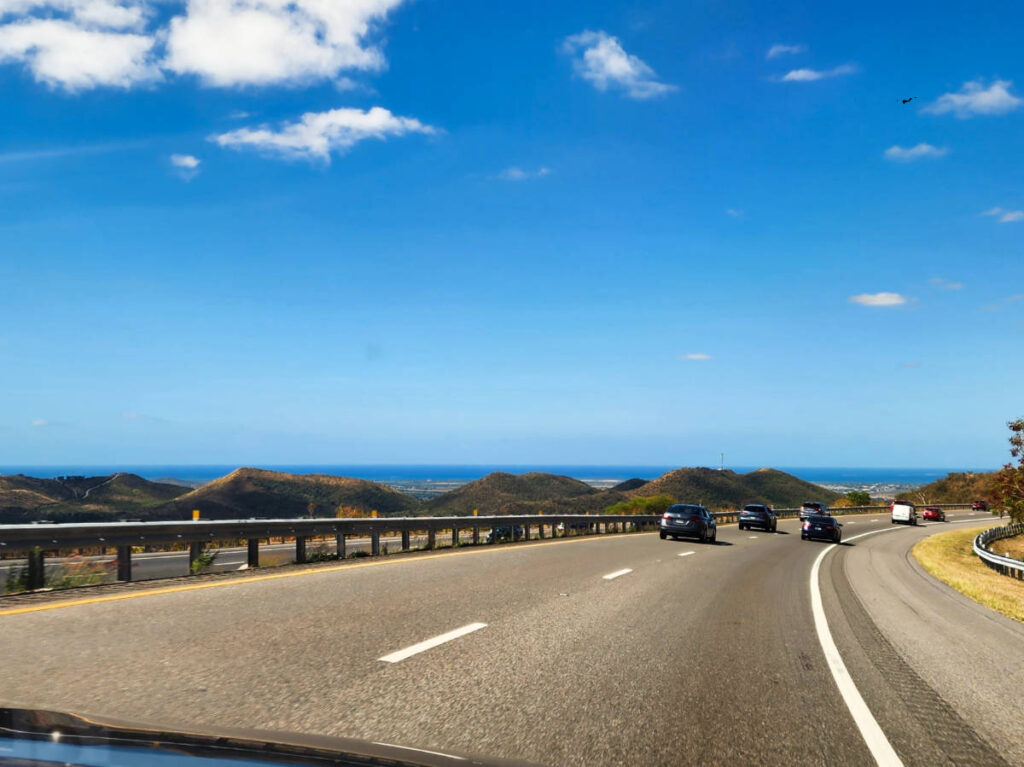
Overall, Puerto Rico’s roads follow a system quite similar to the continental United States. If you’re used to driving in mainland USA, you’ll find that Puerto Rico’s driving signals are mostly those universal ones you are already used to, just with words in Spanish.
But, there are still a few things you should know about driving in Puerto Rico:
- In Puerto Rico, you drive on the right side of the street.
- The right lane is for heavy vehicles or drivers under the speed limit and the left lane is the fast lane, although in Puerto Rico people drive wherever they feel like, honestly.
- The roads in Puerto Rico are mostly wide and paved, but you will find narrow streets in some neighborhoods and in the mountains in Puerto Rico.
- Puerto Rican drivers are aggressive on the street. They change lanes without blinkers, honk at you, and cut in front of you if you’re slow. Drive cautiously but defensively!
- Seatbelts are mandatory for everyone in the car including those in the back. Infants and children under 12 must ride in the back.
- Driving while talking or texting on the phone is illegal in Puerto Rico.
- Puerto Rico’s standard speed limits are 25 in urban areas, 15 in school zones, 45 in rural areas, and 65 on the highway, unless otherwise specified. See other speed limit variations here.
- Alcohol blood levels must be below 0.08 for small vehicles and 0.02 for heavy vehicles.
- Drivers can turn to the right with a red light unless otherwise instructed.
- Streets sometimes have multiple names.
- Police cars almost always have their lights on, it doesn’t mean they’re stopping you.
- The main highways have tolls so you need to get an Autoexpreso stamp from your rental agency.
- Distances get measured in kilometers but cars speeds are in miles per hour.
- Gas stations display prices of gas per liter.
👉 Not sure where to go in Puerto Rico? Check out some of my top places to explore in Puerto Rico for ideas!
License Requirements
Visitors from the United States can use their driver’s license to drive in Puerto Rico since the archipelago is a territory of the United States. International visitors will need an International Driving Permit along with their country’s license.
Even if some car rentals don’t ask for a license, it’s safer to have it in case you get pulled over by the local police.
Where to Rent a Car in Puerto Rico
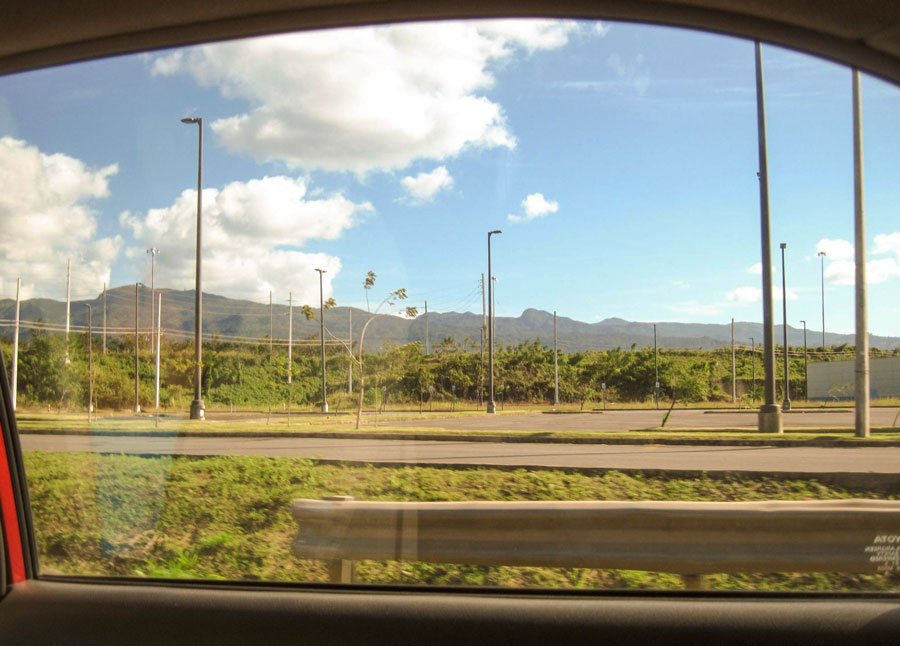
Renting a car in Puerto Rico is the best way to get around. You’ll find plenty of rental car companies right at the airport and others in San Juan.
Some of them are internationally known like Avis and Enterprise, and some are local.
If you don’t have experience with any of them, then you can use Discover Cars Puerto Rico to compare prices and get the best deal on your rental.

Discover Cars Puerto Rico
Discover Cars is a lesser know, but incredible, car rental search engine. It often finds cheaper fares than other websites. Plus, we love how easy it is to compare reviews of different rental agencies & that they don’t hide any fees.
🚗 Rental Car Warning: Make sure the price for your rental includes insurance, and Autoexpreso to avoid paying more on the counter. And read the contract for hidden fees! Learn more in my guide to renting a car in Puerto Rico.
Car Insurance Rules
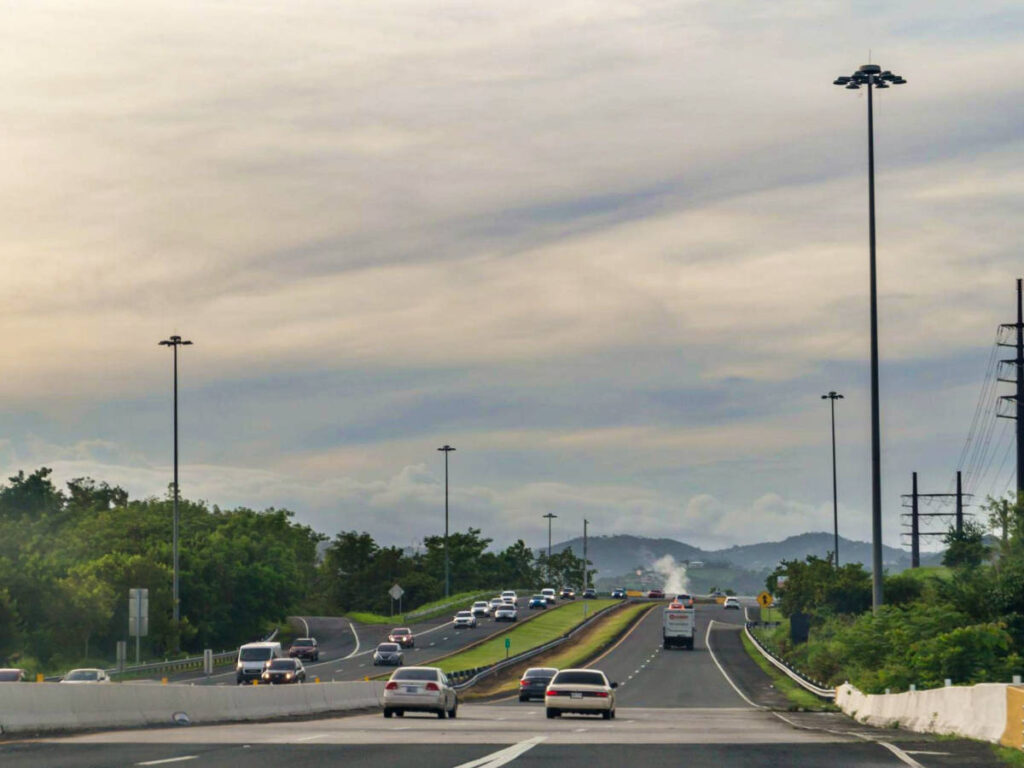
Overall, renting a car in Puerto Rico is easy if you have a credit card and a driver’s license.
But, there are two types of insurance you’ll need to pay for: Supplemental Liability Insurance (SLI), and the CDW/LDW (Collision Damage Waiver and Loss Damage Waiver).
The SLI is mandatory and it covers the costs of an accident that affects a third party.
The CDW/LDW insurance is optional, but this insurance covers any damage to the vehicle, robbery, or an accident so you don’t have to pay for it yourself.
If you’re under 25 years old or you want to include a second driver in your contract, you may need to pay an extra fee for renting a car. If an accident occurs while someone else besides the person in the contract is driving, insurance will not cover you.
Keep in mind you need to be over 21 to rent a car from most rental companies in Puerto Rico.
🚗 Pro Tip: Check if your credit card offers rental car insurance as a benefit, and bring the proof of coverage to your rental company. If not, you can add insurance when renting your car through Discover Cars Puerto Rico.
Driving in the Rain in Puerto Rico
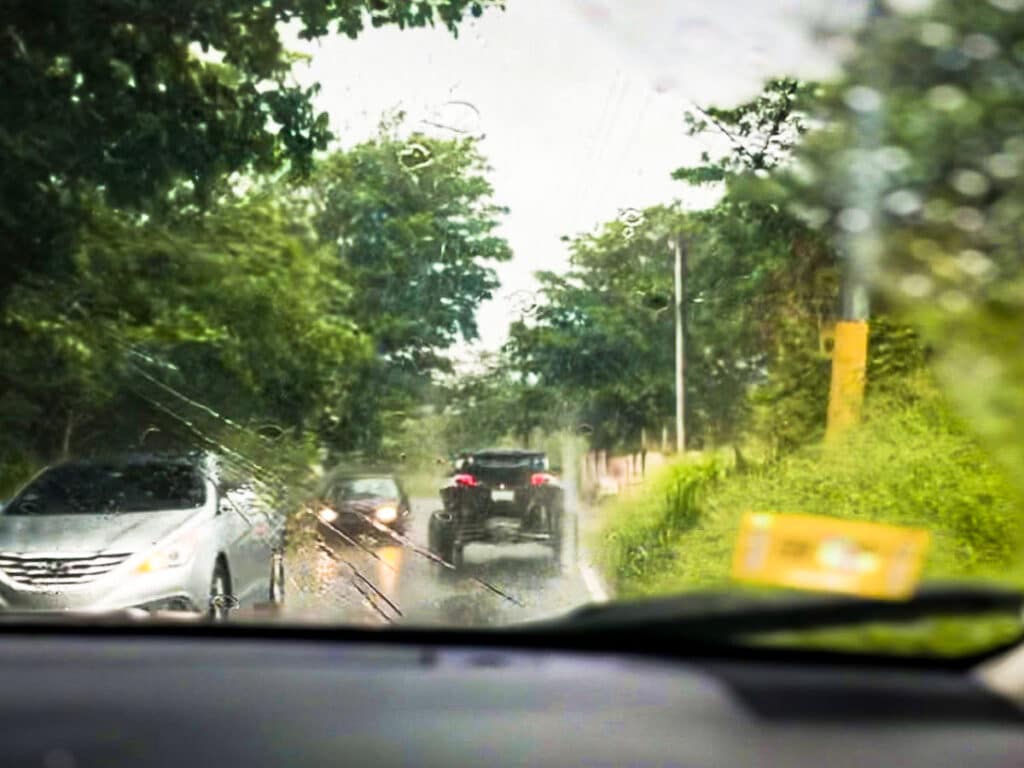
It’s not uncommon to find yourself driving under a pouring sky in Puerto Rico.
If you’re driving while it’s raining, reduce your speed and use your intermittent lights if the visibility is poor.
Know that, in Puerto Rico, when it rains too much in a short time some streets and neighborhoods get flooded. Needless to say, never try to cross flooded areas.
Nighttime Driving in Puerto Rico
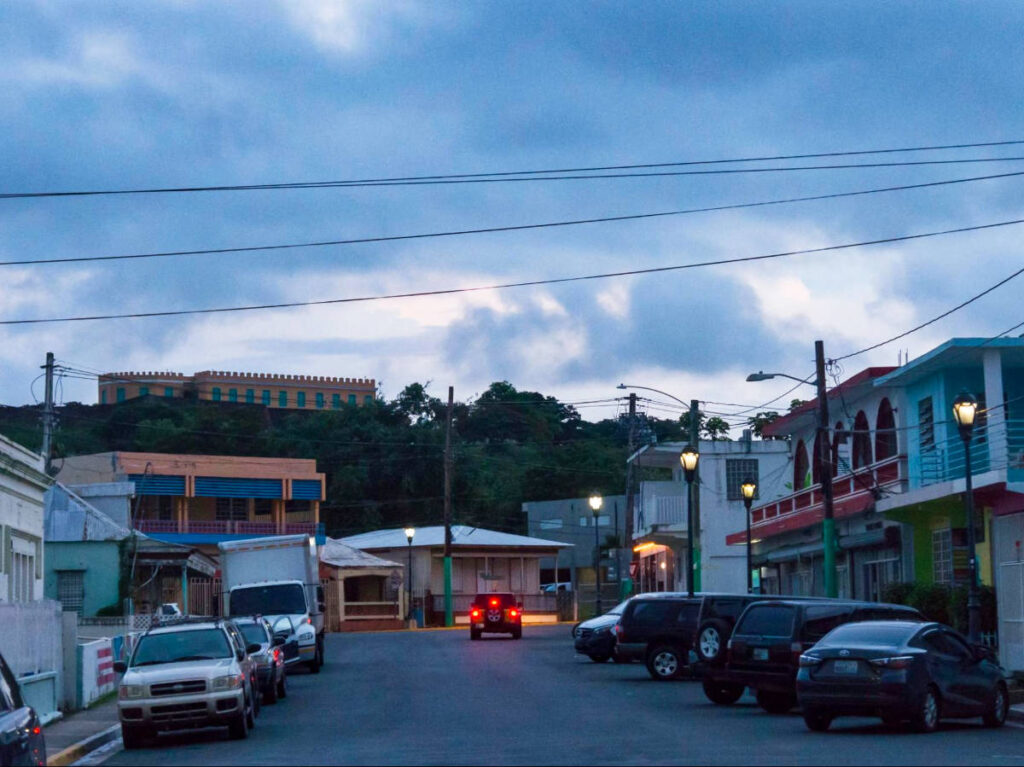
If you drive during the night in Puerto Rico, you’ll find some poorly lit areas while driving, most of them a product of Hurricane Maria.
Always keep your eyes on the road and take common safety measures when driving around, like keeping your doors locked.
After midnight, you can drive past the red lights with precaution if there is no traffic. That way you don’t have to stay alone at the intersection.
As a local myself, I recommend doing so and it’s one of my tips to stay safe in Puerto Rico.
Mountain Driving in Puerto Rico
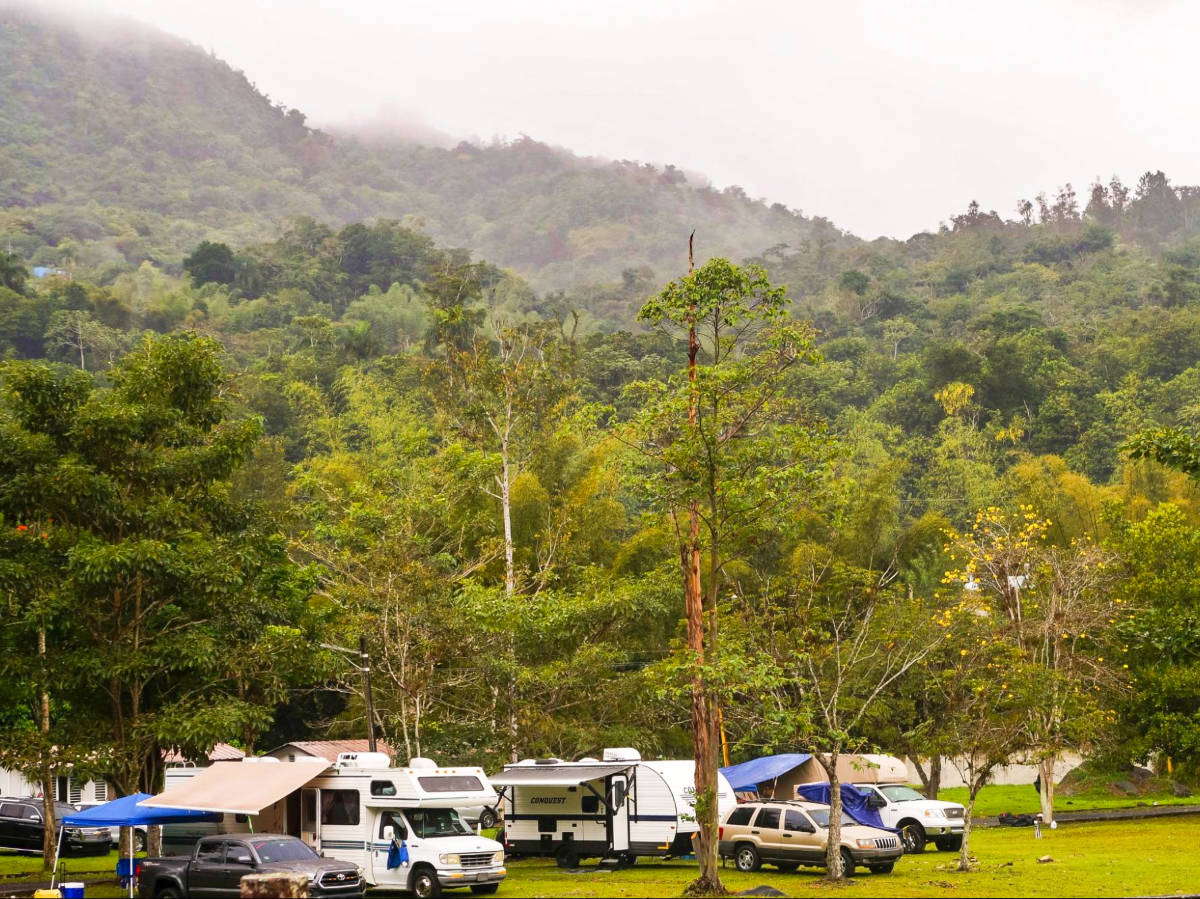
While the mountainous region has breathtaking landscapes and some of the best activities in Puerto Rico, the main island’s mountain roads aren’t for the weak-hearted.
The rural area sports very narrow roads, sometimes wide enough to fit a car, with little lightning and signs. In narrow roads, the car going up has the right to transit first by law.
Always double-check your destinations with local guides, and know some Spanish phrases in case you need to ask for directions.
Avoid taking sudden shortcuts that the GPS recommends. Even as a local, I constantly find myself asking for directions when I visit Puerto Rico’s mountains, as the GPS suggests hard-to-follow routes.
Don’t venture into too steep roads if you aren’t in a 4×4 vehicle and check the reviews of destinations you’re visiting to see recommendations from the other travelers who have been to the area.
If you’re driving in the mountainous region during the winter you’ll have limited visibility due to the fog.
Always drive slowly and keep your eyes open for upcoming cars. By the way, I go over this tip and so much more in my Puerto Rico ebook — it’s great reading if you’re planning a trip!
🚗 Pro Tip: You may lose your phone signal in some areas of Puerto Rico, so make sure to download your GPS map to access it offline.
Tips for Driving in Puerto Rico
Tip #1 – Keep Your Eyes on the Road
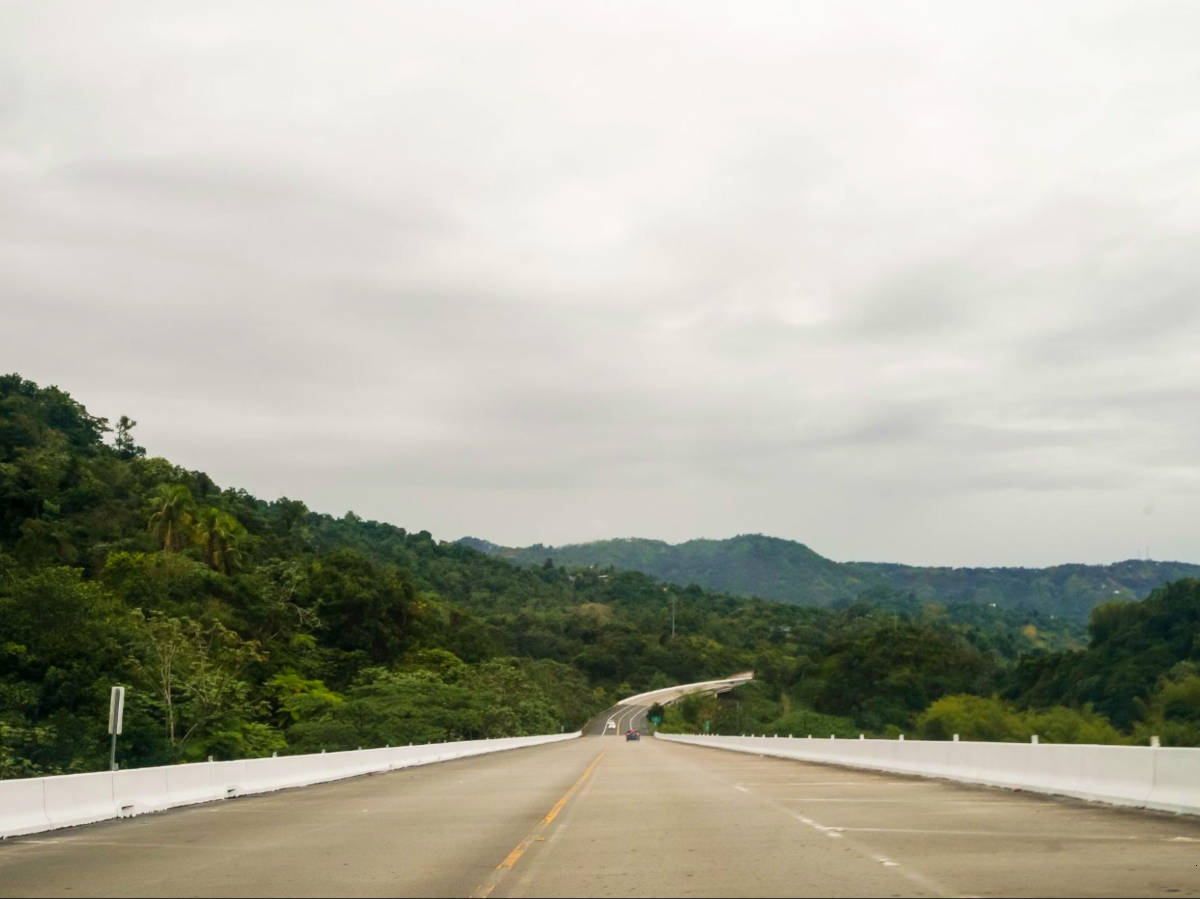
Driving in Puerto Rico is usually safe, but it’s true you will find some crazy drivers, changing lanes without blinkers, speeding, and crossing red lights.
You should be fine as long as you keep your eyes on the road and ALWAYS drive safely. If you are confident about your driving skills, consider other ways to get around Puerto Rico.
Tip #2 – Watch Out for Potholes and Speed Bumps
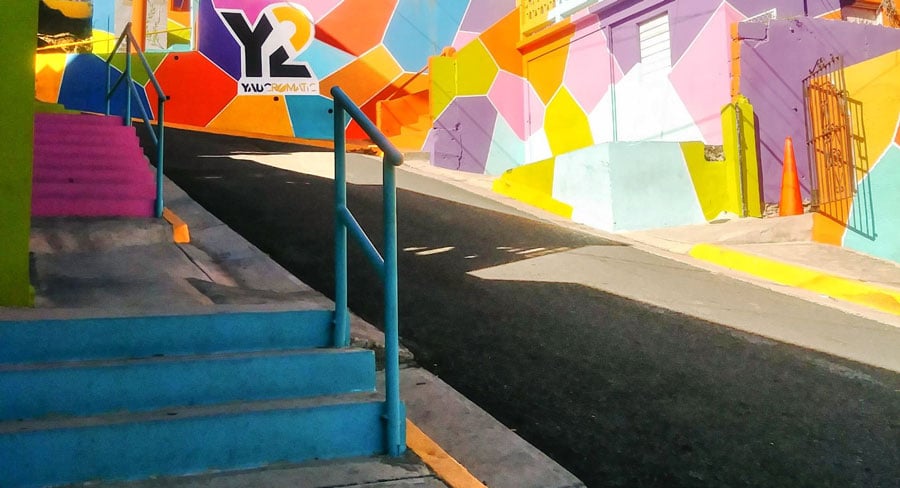
Some streets in Puerto Rico are in bad condition. Watch out for potholes on the street, as they’re often the cause of flat tires.
You’ll also find multiple speed bumps in urbanizations so that drivers keep the speed limit.
Tip #3 – Check the Traffic Direction
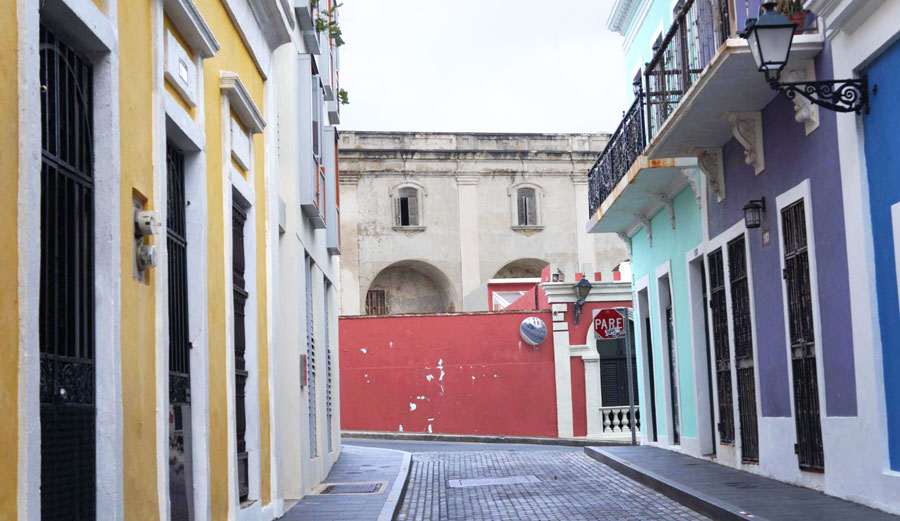
Some Puerto Rico areas like Old San Juan, Hato Rey, and mostly the cities’ old town centers have a complicated one-way driving system.
This means parallel streets allow traffic in opposite directions. In other words, one street goes in one direction and the next street goes in the other.
If you’re in doubt, check for do not enter signs, the direction cars park, or imitate what local drivers do.
Puerto Rico: A Local’s Travel Guide
$29.95Learn how to explore Puerto Rico like a local. This is a practical handbook expertly crafted to help you get the most out of your time in Puerto Rico.
Tip #4 – Avoid Peak Hours
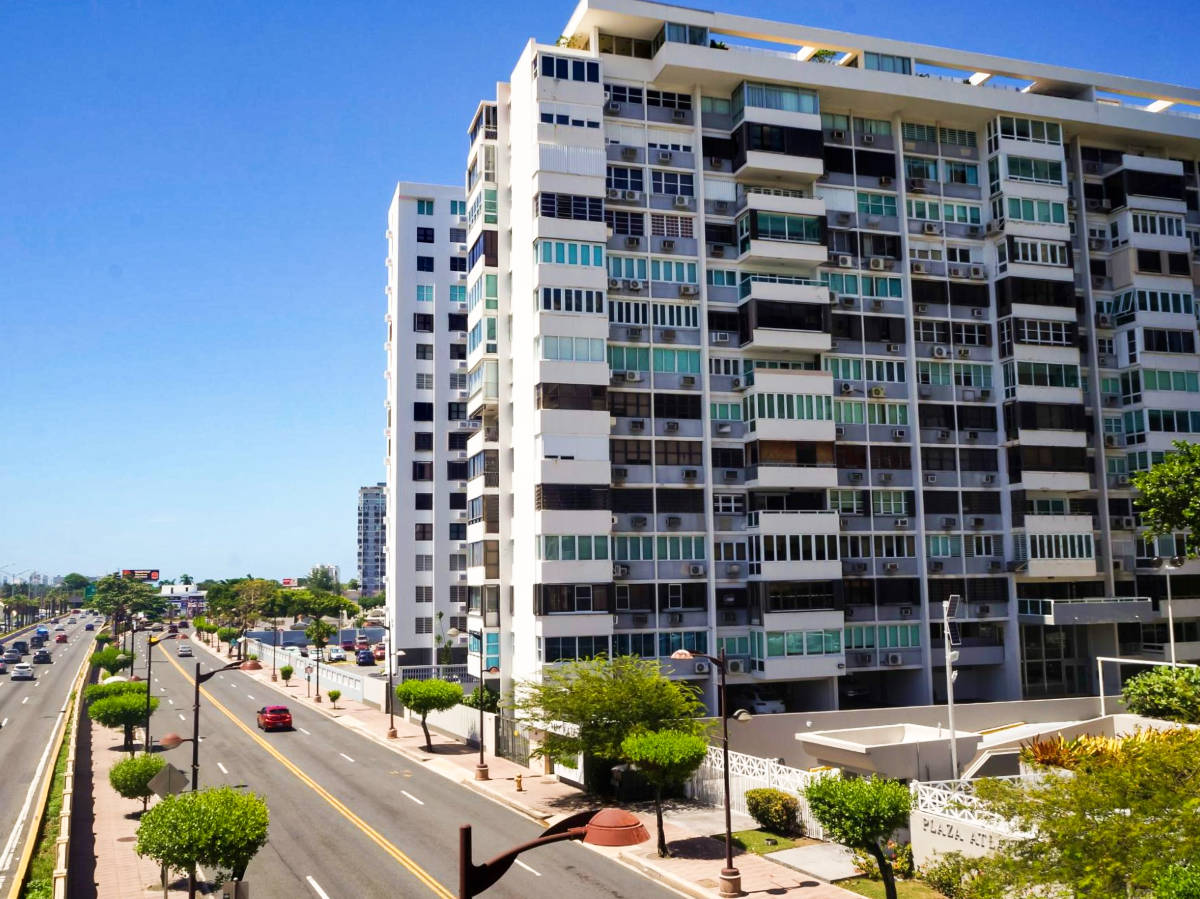
Peak hours in Puerto Rico are a nightmare, especially if you’re staying in San Juan.
Traffic jams can triple the time to get to a destination plus you’ll see more cases of road rage, people turning without turn signals, and drivers ignoring traffic lights.
If you’re driving during the rush hour, just make sure to leave your hotel with enough time to arrive at your destination.
Tip #5 – Prepare for Toll Roads
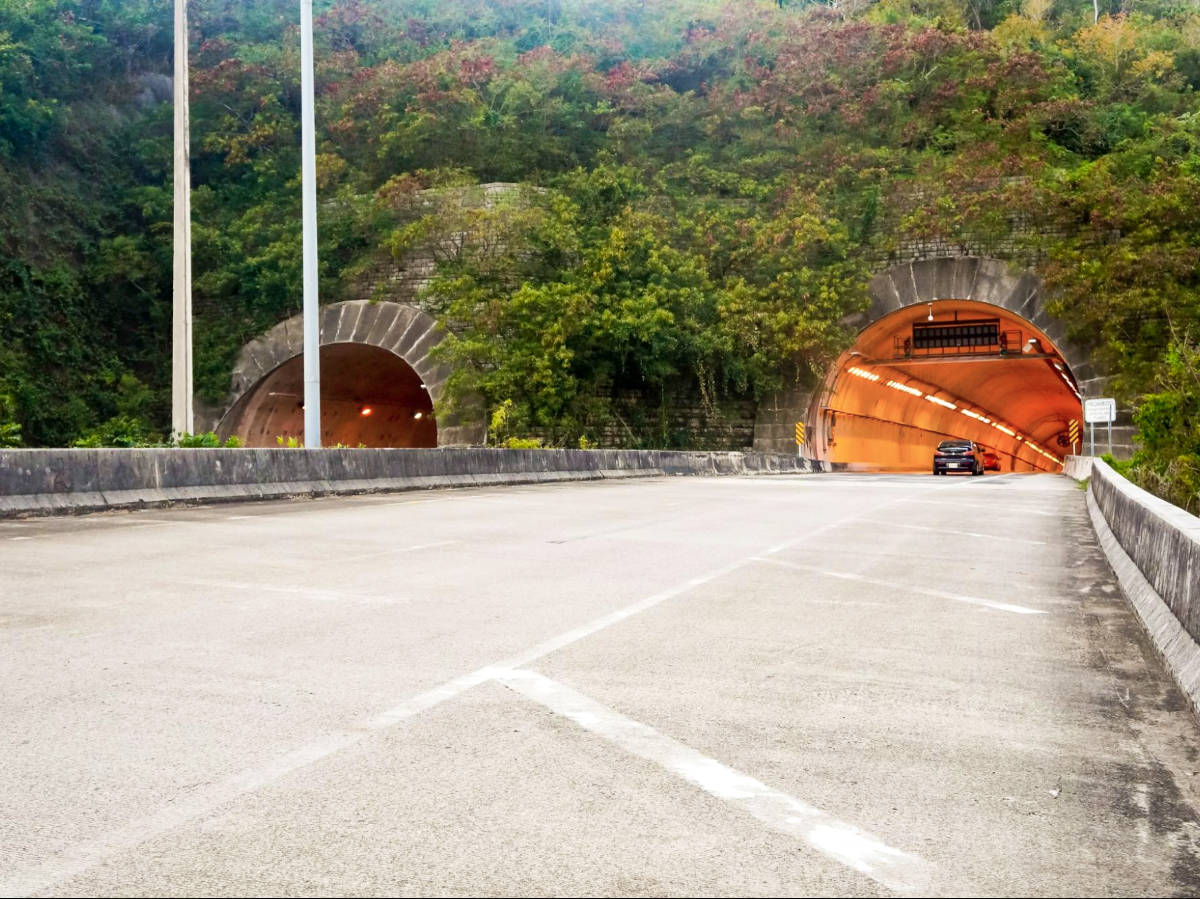
If you’re going outside Old San Juan, you will find multiple toll roads on your way.
Tolls in Puerto Rico work with an electronic stamp your car rental company can provide to you.
Although you can pay some tolls in cash, most are already changeless, so it’s easier to ask for your rental car with an Autoexpreso stamp.
Some rental car companies will ask for a fixed fee for the stamp, others will make you responsible for recharging in each station.
👉 Read Next: How to Drive in the US Virgin Islands
Tip #6 – People Will Approach Your Car at Intersections
Very few guides mention the fact that you will commonly find people asking for money on intersections, especially in San Juan, and the metro region.
You might feel intimidated, but I assure you they’re usually harmless.
If you don’t feel like giving them money, you can just keep your window up and say no with your head when they approach your car.
👉 Be sure to bookmark my full list of my best travel tips for Puerto Rico here!
Tip #7 – You Might Get Caught Up in “Corridas”
During the weekends and special holidays, it’s usual to find groups of motorcycles, in what is known as corridas, invading the main streets.
If you find yourself surrounded by a large group of motorcycles and ATVs that aren’t respecting traffic rules, don’t panic.
Just patiently wait until they are gone, or continue moving with them cautiously in the same direction.
Although annoying, the local authorities don’t do much to stop them.
Tip #8- Watch Out for Pedestrians
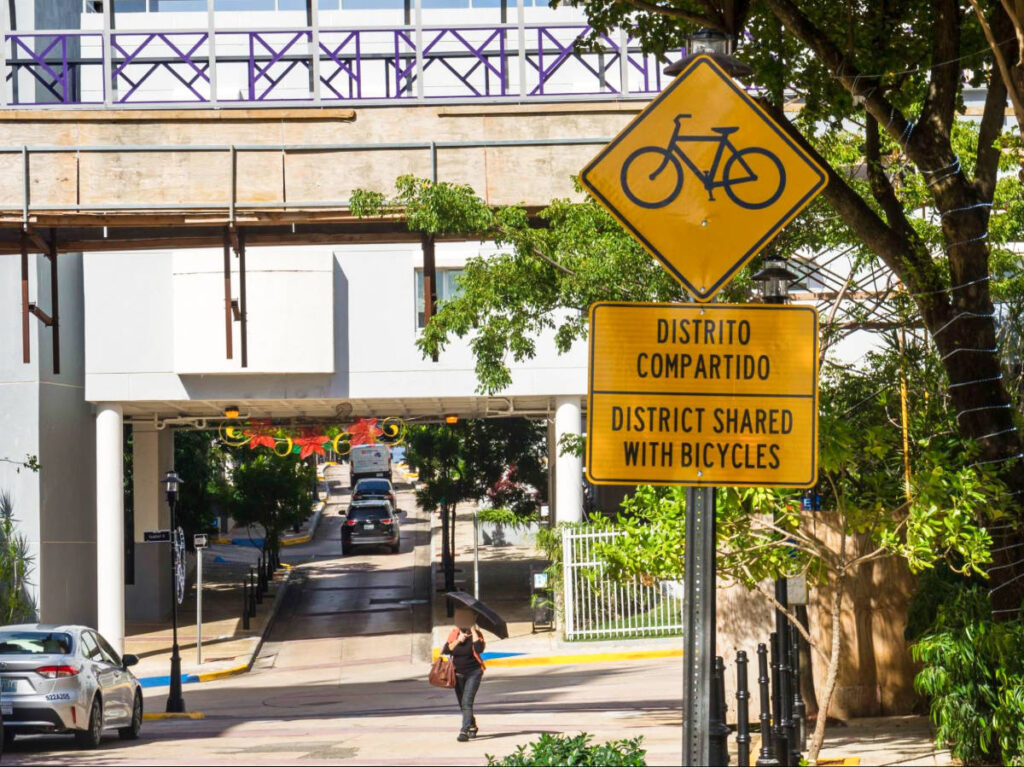
Although legally pedestrians should use the pedestrian crossing, in reality, you’ll face a different scenario in Puerto Rico.
Many pedestrians cross wherever they can whether it be urban streets, avenues, highways, or rural areas. Sometimes you could even find pedestrians crossing the street with your traffic light green.
Always stay alert on the road and watch out for pedestrians, especially when driving at night.
Discover Cars Puerto Rico
Discover Cars is a lesser know, but incredible, car rental search engine. It often finds cheaper fares than other websites. Plus, we love how easy it is to compare reviews of different rental agencies & that they don’t hide any fees.
FAQs About Driving in Puerto Rico
Is driving in Puerto Rico difficult?
Overall, driving in Puerto Rico is easy. The main streets are in good condition and the sign system is the same as in most countries in the world. Although some drivers in Puerto Rico drive recklessly, visitors who take normal precautions and keep their eyes on the road should be safe.
Are taxis expensive in Puerto Rico?
Taking taxis in Puerto Rico can be expensive if visitors are going to travel frequently within San Juan, or if they’re planning to ride longer distances. Some additional charges for luggage or additional passengers can make fares pricey.
Can you drive in Puerto Rico with a US license?
Visitors from the United States mainland can use their driving license from the state they come from to rent a car and drive in Puerto Rico without any additional permit.
Is it better to rent a car in Puerto Rico?
Travelers planning to move around Puerto Rico should rent a car. Renting a car is the easiest way to move around since public transportation and bus routes don’t cover the entire island.
Is it safe to rent a car in San Juan Puerto Rico?
It’s completely safe to rent a car in Puerto Rico. Puerto Rico has well-known car rental companies like Avis, Enterprise, and Target. Visitors can also research and choose a local company to rent a car by taking common-sense precautions.
***
You’ve reached the end of the driving guide for Puerto Rico! If you aren’t confident about driving, just stay in the capital city, where you can enjoy great things to do in San Juan without the need for a car.

If I buy a Vespa (or is there some other type of less powerful Scooter) do I need insurance? Any more info on this topic? I just need to get around a small area…daily.
How about renting vespas? Do you recommend? i dont see anyone talking about renting vespas in PR and im curious why.
Hi Anna! Renting Vespas and similar scooters isn’t as common in Puerto Rico as in other destinations, but there are a few scooter rental options. Generally though, the traffic in Puerto Rico is too heavy and therefore unsafe to move around in a vespa if you’re a tourist unfamiliar with the area. Vespas are also impractical for Puerto Rico distances. I wouldn’t recommend them if you plan on moving between towns. If you’re looking for a fun experience within a small area like Old San Juan, Vieques, or Culebra, however, I’d say it’s fine, but always take safety precautions.
Thank you for the helpful information
We are looking at 3-6 mos of renting a place in rincon and then buy.
For 3-6 mos should I bring a car and do I have to register it for a short stay?
Um…yeah, no. I’m here now, in San Juan for a conference. I have never seen such horrible, erratic, non-blinker-coming over drivers as I have here in Puerto Rico. Even LA drivers don’t compare. Since I got here, people have almost knocked off my side mirror cutting in front of me, I saw a giant truck swerve into the left (fast) lane with his opposite blinkers on, I can’t count how many drivers moved around like checkers, just assuming the other driver sees them coming in. Those that merge into traffic don’t bother looking back to see if it’s safe to merge in. I’m actually afraid to take my rental car back ouut to explore.
Vanessa offers great key information for travelling to PR. She is thorough covering topics I would not have considered and very assuring of the safety of visiting there. Nice Job Vanessa!
Wondering what the road conditions are like going from San Juan to Isabela. I own a semi sporty car with a semi low clearance. Would that make it or are some of the roads out that way too mountainous and rocky???
Any help is appreciated!
I am importing a classic car to Puerto Rico which has the steering wheel on the right side. Can you drive right-hand cars in Puerto Rico?
Does gps works fine in PR?
Yes. GPS works great in PR
Do you recommend renting a certain type of car to explore Puerto Rico?
As a local who moved away, I recommend small cars if you don’t need to carry to many things. If you need space, try to stay on the smaller side and get cars like a Kia Soul, Hyundai Kona or Honda HRV for reference in sizes. They’d be easy to maneuver in the roads, and are fuel-economic enough for gas.